This week, a common theme for us in 4L was risk taking! We began our week with whole school dance performances as a culminating project from our Cultural Movement unit in PE. Many of us were extremely nervous with such large audiences, but our support for one another and enthusiasm soon took over, ensuring that we had a wonderful time!
Krista, Veronika and Elena tell a story through dance
Steven, Domantas, Benas and Yigit begin their performance
Aleksandras, Basel, Migle, Eva, Sofija and Yelyzaveta mid-performance
Sofia, Gerda, Shourya, Rojus, Nora and Antanas wind down their dance in the gym
In unit, we finished our group research on the basics of six major world religions. When posed the question, "Now What?" we decided to reflect using our next step slips. We were so reflective and thoughtful in our responses, that it was almost impossible to choose which step to take next. So, we took all the slips in our research groups of 3, and sorted them. What we found was that we were still very curious, but we had many different ideas about how to complete further research.
Krista, Eva, and Liza explain their sort
Aleksandras, Steven and Domantas share their sort
Nora, Gerda and Veronika explain how they sorted
Basel shares how he, Benas and Rojus derived such a simple sort
Sofia, Shourya, and Migle share their thinking
Antanas, Yigit and Elena's sort
The next thing we needed to establish was what we wanted to inquire into. We still hadn't answered many of our big 'puzzles' from the beginning of the unit, and we had, through research, generated many new questions to be answered. So we spent time independently looking through all of our notes from research in school and through church visits to develop some of our independent inquiries. We then shared our inquiries with one another.
In order to keep our inquiries open, some of us took very closed questions and made them broader so we could seek input from any religious group and still move towards answering our inquiry. See our inquiriesHERE We used a modified version of our Genius Hour contracts to help us communicate exactly what our focus would be for our inquiry time each day.
Aleksandras refers to his contract as he reflects on what he'd like to accomplish today during research time
We then spent time generating questions we could use when interviewing or visiting places that might yield the types of responses we were hoping for. We also took the time to organise and set up pages where we could collect information and thinking.
Steven and Elena visit the Learning Wall to further ponder independent inquiries
Gerda and Krista look through their notes to determine personal inquiries
Veronika organises her thinking and sets up her page for further trip notes
Then came the risk-taking part... we had to begin to search for primary sources. We researched places we might visit, people who might come to speak to us and of course, did a bit of research in our books and online. Sofia R. became particularly curious about Judaism, so she called and arranged a trip to the Vilnius Choral Synagogue for our whole class. It was the first trip students arranged on their own, so it was a bit intimidating, but this inspired more of us to try.
Benas is inspired by a world map of religions as Eva sorts out thinking
Aleksandras and Steven pursuing independent inquries
Several of us grew very curious after Basel shared his prayer rug and came up with the idea that we could interview Yigit's mother about Islam. We were fortunate enough to have her visit us on Thursday. She shared about her religion and answered many of our burning questions. We realised how tricky it can be to listen carefully to a speaker to catch important information that might lead to deeper understanding, while also jotting notes about things we'd like to remember.
Ms.Yasemin explains Islam to grade 4
In honour of Lithuania's regained independence on March 11th, our Lithuanian department organised a visit from a university professor. She spoke to us on the topic of 'Multicultural Lithuania'. It was a fabulous opportunity to hear about world religions and their ties to and presence in Lithuania. We connected much of what was presented to our current unit of study and had an interesting discussion following all of our learning on Thursday.
Grades 3, 4 and 5 learning about Multicultural Lithuania
In between our research, guest speakers and church visits, we spent time processing our learning independently and in small groups each day. We have made wonderful connections and drawn many thoughtful conclusions. Some of the feedback we gave was that 'talking to real people' and 'visiting places where we can see things in action' helps us remember our learning better, so we have planned a trip to Kaunas next week to visit a mosque, synagogue and Russian Orthodox church. Thank you to Nora for being a risk-taker and organising our visit to the Russian Orthodox church.
Sofia and Sofija process their thinking after concluding some of their research
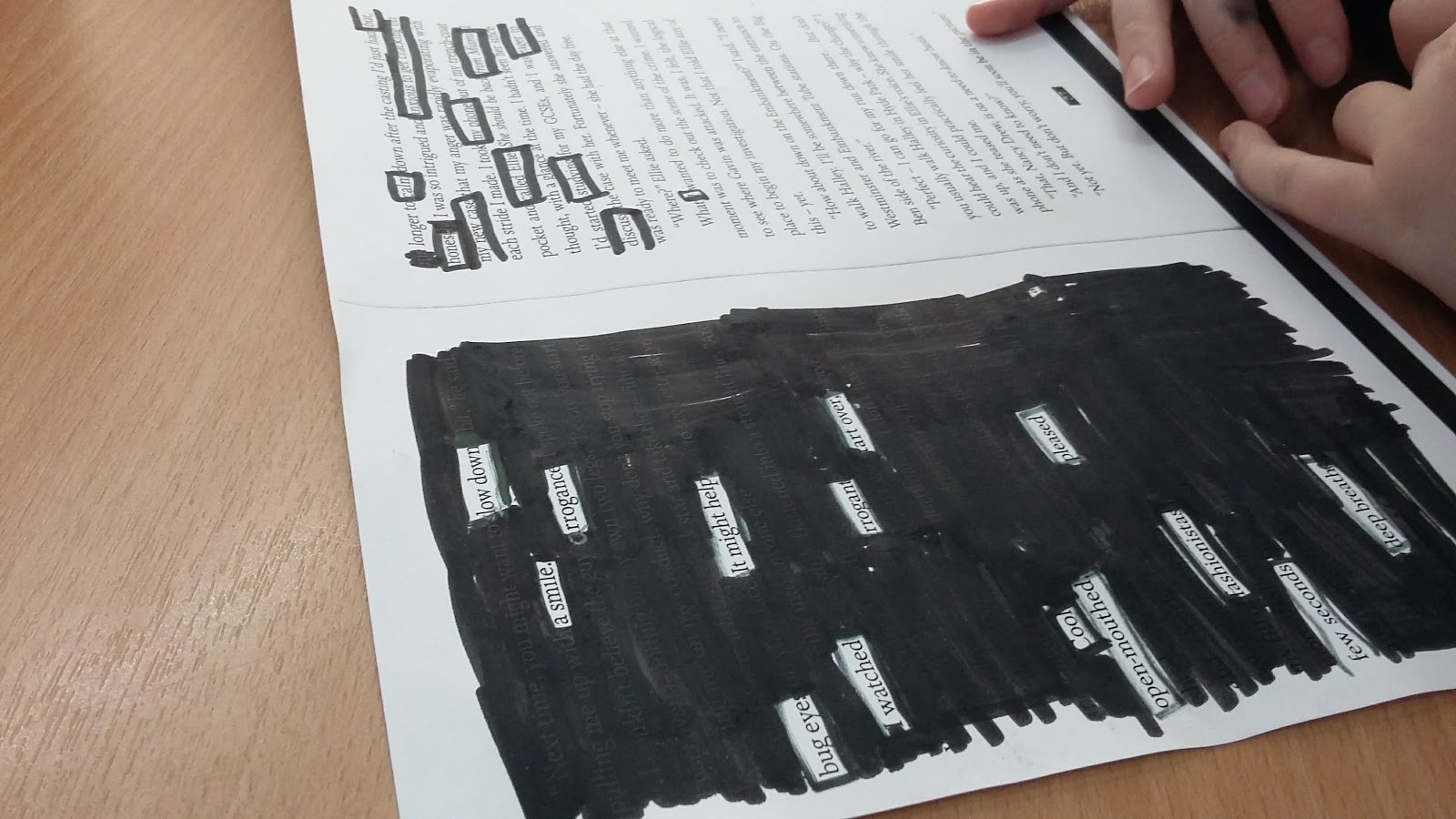
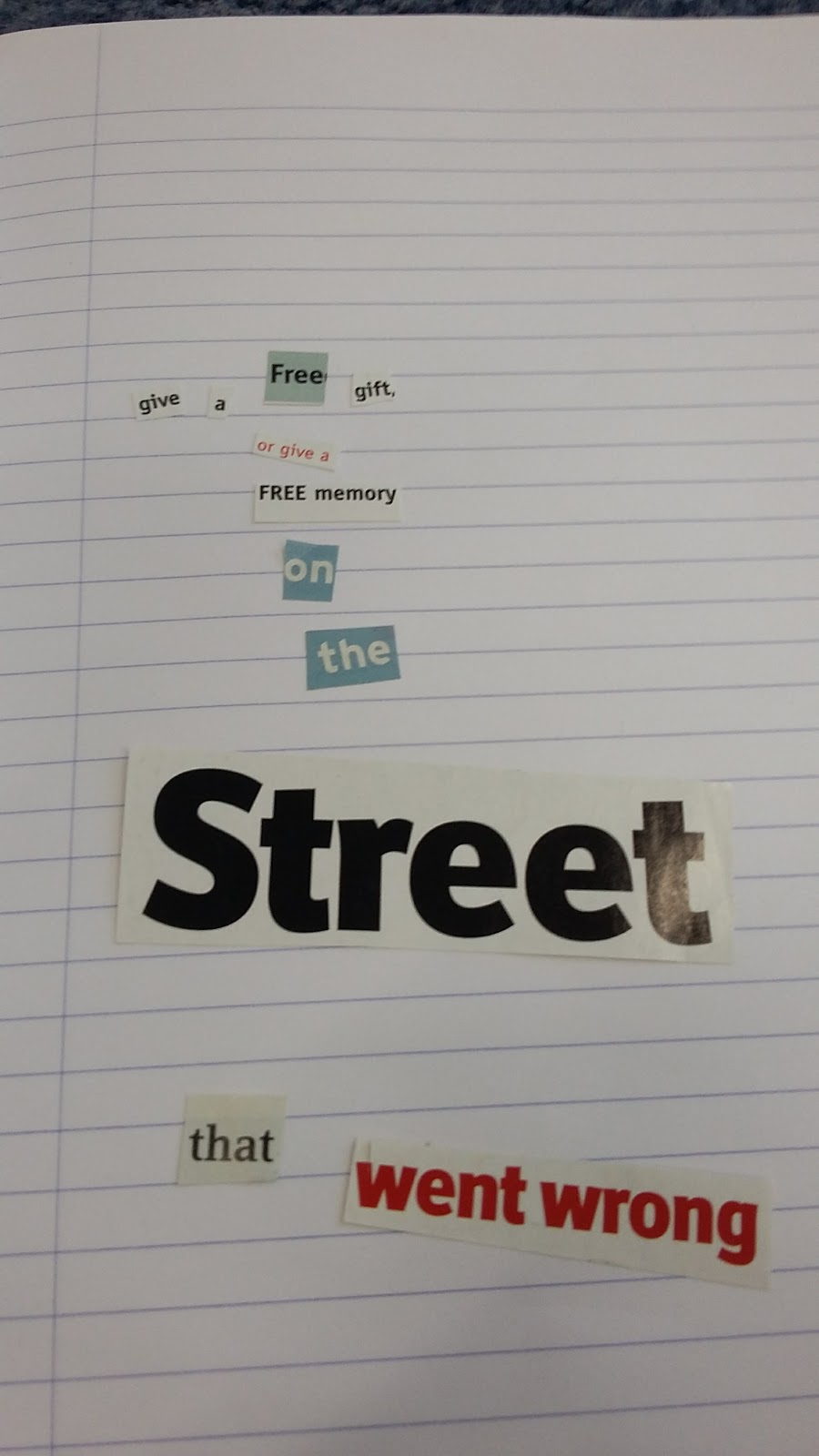
In language arts this week, we continued our work with poetry. We very much enjoyed exploring 'Found Poetry' and the new elements it brought to our writing. We investigated several examples and then decided to be risk takers as we jumped in and experimented with making some of our own. Some of us chose to use text from books we were reading, others of us chose to cut words that inspired us from magazines, while still, others chose to use longer text found in magazines to alter. Our results were amazing and we were delighted that even our shiest writers were eager to share their compositions this week!
Shourya shares his Moon poem
Migle shares her Rainy Day poem
Basel shares his Summer poem
Working on a piece of blackout poetry utilising one of our favourite books
Gerda's found poem in progress
Krista and Veronika in their creative process
A found poem
In math, we wrapped up our work in Unit 5. We practiced rounding large numbers by breaking down the steps to find a high and low estimate. We also reviewed the base-ten system by finding the value of digits in different places. To get more practice with large numbers, we compared data from the World Tour section of our math books. In order to prepare for our upcoming unit assessment, we completed a self-assessment and then spent time working in our journals or playing games from our class blog to help improve the skills we felt were still challenging for us. Another risk-taking opportunity presented itself this week when grade 3 students were struggling to recall their subtraction strategies. Two of our classmates agreed to go to grade 3 and present a Subtraction Number Talk on their own! Way to go Sofia and Nora!
As always, we ended our week with Genius Hour Passion Projects. We celebrated with our friend, Rojus, who finished his project on Diseases that Changed the World.
Rojus shares his poster
We also got to support our friend, Veronika, as she took the risk to share her mid-project dance routine with us.
Veronika performs her dance for feedback
With our new contracts and progress tracking each week, we are becoming more successful and independent in maintaining focus and reaching our learning goals. We continue to inspire and encourage one another to take the risks needed to achieve all of the great things we put our minds to!
We made an important discovery this week in 4L: inspiration often drives inquiry. In Unit, we began to move forward in our exploration of religion. We were led by Elena who wanted to show us a church she passes each day on her way home from school. We established before going in, that we would use this time to observe our surroundings and take notes or photos to document our noticings.
Elena leads 4L on a church seeking adventure!
We quietly sat or wandered, observing our surroundings
God's Mercy Sanctuary Catholic Church: Dominikonų g. 12
We later discovered that this church is called Dievo Gailestingumo šventovė and is a Catholic church. After visiting this church, we decided as a group that we'd like to visit a different kind of church. So on our walk back to school, we stopped at St.Nicholas' Orthodox church. We spent time observing once again.
St.Nicholas' Orthodox Church: Didžioji g. 12
Interesting text we grew curious about outside the church (no pictures allowed inside)
4L inquirers!
Once we returned to school, we decided we needed to document everything we had just seen, so we did an independent 'brainspill' of everything we noticed in our inquiry notebooks. After spilling all of our thoughts, we organised our notes so we could begin to make connections and look for patterns or information that stood out to us.
Some of us created T-charts
Others organised their observations with Think, Puzzle, Explore notes
Some of us used Venn diagrams to compare what we observed
Finally, some of us began mind maps with connections
Finally, we chose one learning/discovery to share on a class mind map.
Our class mind map with our Central Idea and Lines of Inquiry
We also gave feedback about what we thought would be the next step in our inquiry. Several of us reflected that we needed more time to process what we saw yesterday and that we wanted to talk together to see what others noticed. So we began with a spiderweb share.
Mid-spiderweb share
To begin, the students looked back through their notes, to refresh their thinking. We then began with one student who was invited to share thinking, a connection or a question. That student then rolled the ball of yarn to a classmate who needed to continue the conversation that had begun. This protocol helped us practice thoughtful and focused discussion as a whole class. As you can see below, the conversation naturally begins with an inquiry about prayer and grows to include the concept of holy books and their connection to prayer. See our conversation HERE After our conversation about prayer and holy books in whole group, our friend, Basel, was inspired to bring in his prayer rug to share. This got us very curious and excited about how we might be able to explore more about this religious ritual.
Basel shares his prayer rug to illustrate his contribution to the group discussion
The next bit of feedback we got was that in order to inquire, we needed more information about different world religions. First we brainstormed as a whole group what we thought the major world religions might be.
Our original thinking
We decided to dig deeper to see if we were right.
Our revised thinking
This took us to the next step in our inquiry process. We broke into groups of 3 and began to investigate one overview of each religion at a time. Together we created a routine for this research:
10 minutes to read independently and document any thinking on our notetaker page
3 minutes to process what we read and write down anything we'd like to share
1 minute per group member to share their thinking uninterrupted (we could take notes while others shared)
3 minutes for a group conversation regarding what had been shared
3 minutes to write down any final connections, questions or thoughts
One side of our world religion research note taker
Elena, Yigit and Antanas read and take notes on Buddhism
Benas and Rojus generate questions about Sikhism
Veronika shares her thinking as Gerda request clarification and Nora takes notes
The other side of our world religion research note taker
The group discussions that took place using this protocol were fantastic! We enjoyed that everyone got equal time to share, to be heard, and felt we each had something important to add to our small group conversations.
We then looked back through our notes and chose one big learning to share in whole group. Some of us reflected on what we learned about ourselves as learners in this process, while others shared their thinking. We discussed how to take facts and turn them into deeper thinking by reflecting on how our thinking might have changed or how we could connect our fact to our own background knowledge or something we had learned in our study.
Time to share some big learning
In language arts this week, we enjoyed many new book booktalks from our classmates. We continue to try new genres and expand our repertoire of literature in 4L. In writing this week, we decided that it was time to branch out to other forms of writing. We began by creating a class list of types of writing we have used or know.
We reflected that we hadn't spent enough time using our writing territories that we created at the beginning of the year. In order to get inspired, we read back through our territories, added new territories and chose one to explore. Some of us struggled to get inspired to write, so we began a journey to discover how writers might find inspiration. We tried out a 5 minute free-write where we silently wrote non-stop for five full minutes. There were no rules, we didn't worry about spelling or grammar, the job was simply to write whatever came to our minds. At the end of the five minutes, we compared our first sentence and our last sentence. We realised that many of us reach what we might call the 'Writing Zone' when we let go of the pressure of coming up with an idea, and simply writing whatever comes to mind. We then sought out inspiration through music. While a musical piece played, we wrote whatever came to mind. We produced some wonderfully amazing writing this day and such variety! We were so excited that we shared in small groups and grew more inspired by the creativity of our classmates! We then did it two more times with different moods of music. One of our classmates, Eva, responded to the music by simply 'splattering' words that came to mind on her page. We loved how creative and different that felt from other types of writing we usually do, so we all tried to write like Eva with some very cool results! These investigations naturally led us to an inquiry into different types of poetry. We have begun to discuss the three types of poetic text: lyric, epic and narrative. Right away we noticed that our word choice and voice became the focus for how we communicate our thoughts and feelings with this writing genre. We will continue to experiment with new ways to express ourselves through poetry.
In math this week, we spent more time working with multiplication. We practiced 'multiplication wrestling' and learned a new strategy called 'lattice' multiplication.
Many of us remembered this strategy from 3rd grade and prefer this as our go-to paper-pencil algorithm of choice. We practiced using multiplication through games, number stories and direct calculation.
Migle and Krista play Multiplication Top-It
Practice calculations with the Lattice multiplication method
Rojus and Aleksandras practice multiplication with a game
Sofija and Yelyzaveta calculate their products using different methods and teach each other their strategies
We also spent time this week reviewing reading and writing large numbers. We even did a short investigation into scientific or expanded notation. We inquired into what the superscript number next to the 10 might represent and why we thought that.
Writing what we actually say when reading large numbers
Expanded notation - inquiring into 6.6 x 10 to the 21st power
We enjoyed a beautiful spring-like day playing in the park with our friends from 4A. We were full of renewed energy and imagination after being stuck indoors last week in the rain!
We also spent some time this week working together to revitalise our Passion Projects. We shared different sources of inspiration with one another and watched this video:
We heard the main message loud and clear:
creativity takes time
speed is not important
We then heard from a couple of our classmates who had finished projects they'd been working on. They shared about their process and how they persevered even when things got difficult.
Yelyzaveta shares her pillow project
Krista explains how she created an album from her traditional Latvian mid-summer celebration
We then sat in a circle and quickly shared where we each are in our passion projects. This helped us gather inspiration and encouragement from one another. Once again, our room was busily humming with independent inquiry. As we each left on Friday afternoon, we articulated our next steps.
Finally, we spent time during our week preparing excitedly for our Student Led conferences on Saturday. Some of us spent more time reflecting and collecting evidence, while others practiced their actual conference plan with a peer.
Eva shares her book log with Yelyzaveta to share her reading growth
Gerda and Migle practice for conferences and share feedback on how they could each improve
Krista shares her reading log with Sofia, while Benas explains to Domantas what he plans to share as evidence of reading growth
Saturday was such fun and we are so grateful to our parents for making the time to come and celebrate our learning! From math games, to book talks, to growth mind maps and QODs...we may have shared it all.